Extraordinary Wines Made from New Jersey Fruit and Beyond
The 2026 NJ Terroir Showcase brought attention to wines made from 100% New Jersey-grown fruit, offering an opportunity to recognize the growers and winemakers working entirely with what the Garden State provides. New Jersey vineyards have come a long way, and there is plenty worth discovering in the wines they produce.
Part of what makes New Jersey wine interesting is that there really isn’t one New Jersey terroir. Wine country stretches across several distinct growing regions with meaningful differences in climate, soils, elevation and proximity to water. Grapes grown along the waters of the Delaware Bay in South Jersey experience a very different environment from grapes grown among the hills of Warren County in the north. A variety that thrives in one part of the state may behave quite differently somewhere else, giving New Jersey winemakers an unusually varied agricultural palette to work with. And what makes local wines even more interesting is the way our winemakers and others blend our wines with fruit from outside the state.
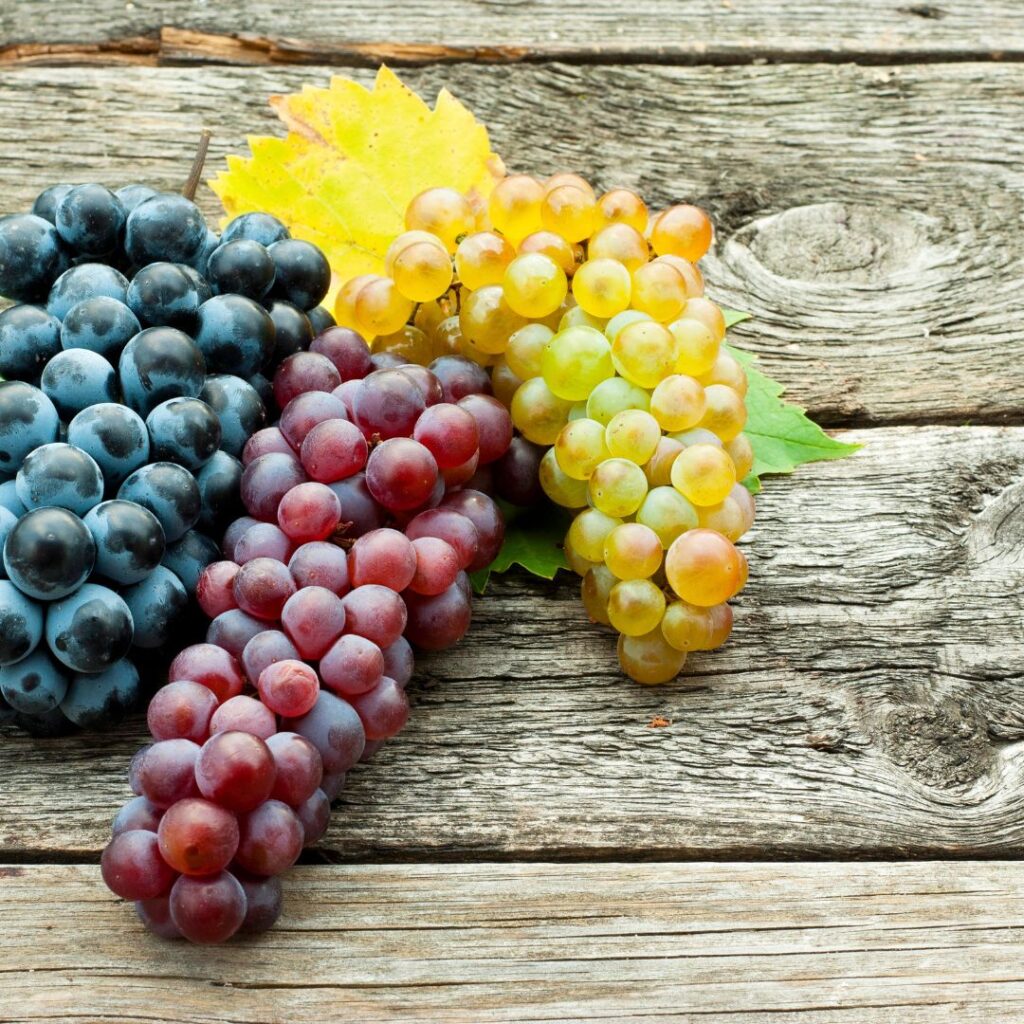
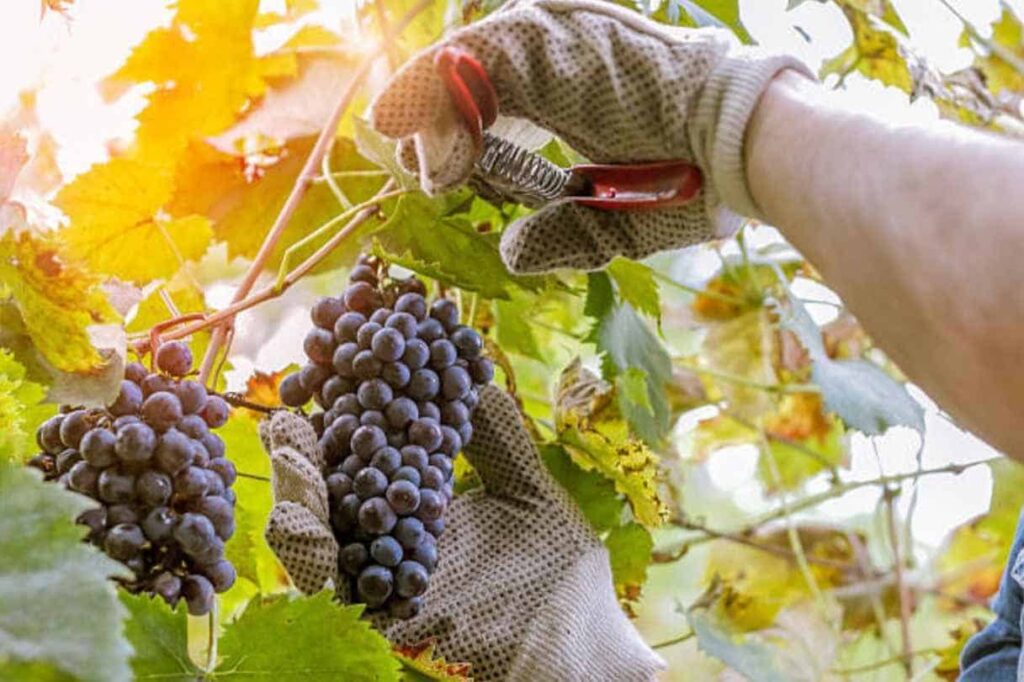
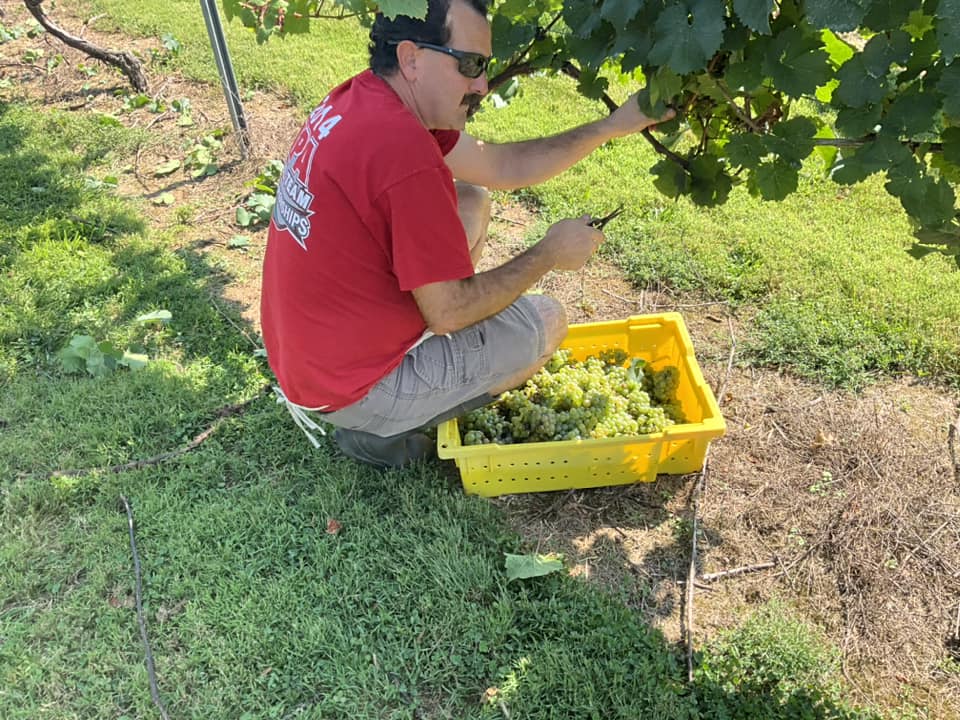
That palette includes familiar vinifera varieties such as Cabernet Franc and Chardonnay, but it also includes grapes that many wine drinkers may barely know. Vidal Blanc has proven well suited to the region and can produce wonderfully aromatic wines with refreshing acidity. Old York Cellars bottles a New Jersey Vidal Blanc as a varietal wine. New Jersey-grown Cabernet Franc can stand beautifully on its own or become an important component of a red blend, while Seyval Blanc’s bright acidity makes it particularly interesting for sparkling wine. Old York Cellars uses New Jersey-grown Seyval Blanc in its Sparkling White wine.
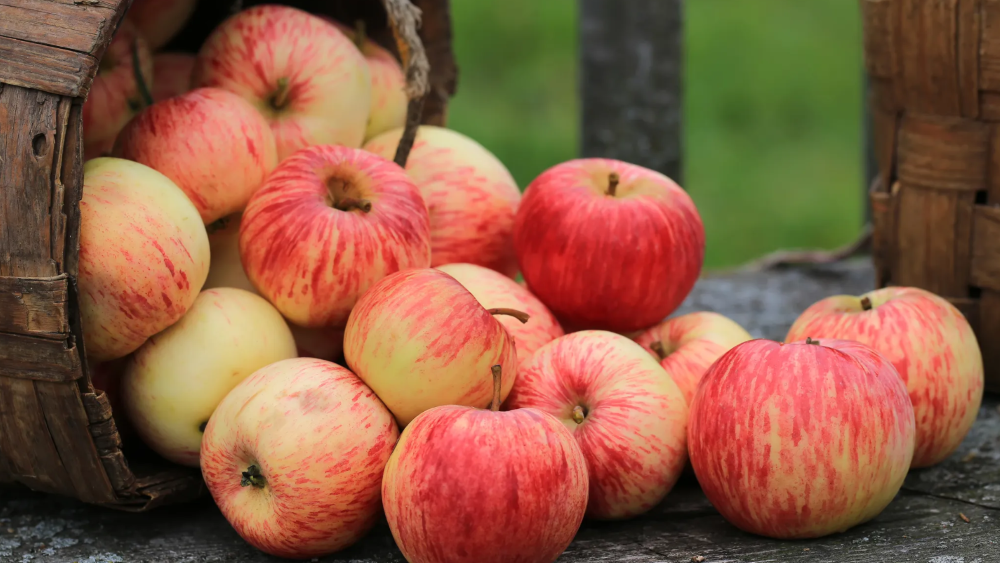
Growing grapes in New Jersey also means accepting the realities of agriculture. In April 2026, an extraordinary freeze devastated vineyards and farms throughout the state, nearly wiping out twenty to a hundred percent of New Jersey’s grape crop at many vineyards for the year along with enormous losses to peaches, apples and other crops. It was a painful reminder that wine begins with farming and that Mother Nature doesn’t recognize anybody’s winemaking philosophy.
It was also a reminder of the value of resilience. New Jersey wineries have never developed according to a single model, and that diversity gives winemakers options when weather, vintage conditions or creative ambition lead them in different directions.
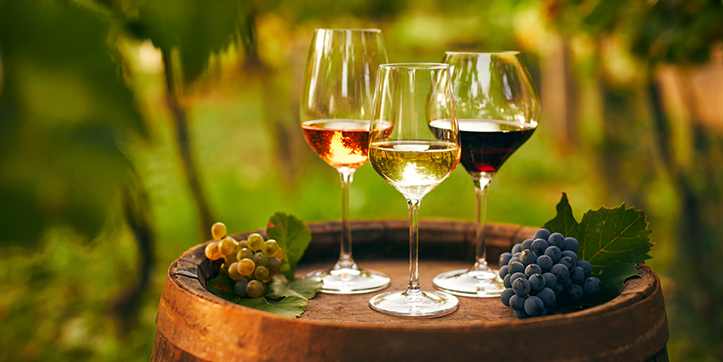
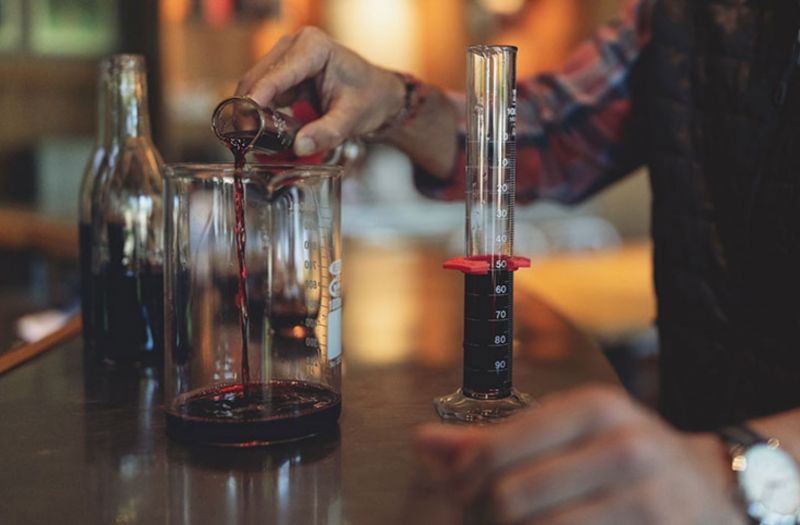
Blending is one of those options, and it is one of the oldest and most important tools in winemaking. New Jersey wineries are blending grapes grown in different vineyards and different parts of the state to make fantastic wines. Some wines are made entirely from New Jersey fruit. Others combine New Jersey-grown grapes with fruit from other American growing regions. A bottle might contain 100% New Jersey fruit, 75%, or considerably less. The percentage is useful information about provenance, but the real measure of the wine is what the winemaker creates from those ingredients and what eventually ends up in your glass.
One grape might provide acidity, another aroma, another structure and another richness. A winemaker can respond to the character of a particular vintage instead of forcing every harvest into the same formula. The decision to blend can be agricultural, stylistic or simply about making the best wine possible from what is available. That’s not a compromise. That’s winemaking.
And in the Garden State, the possibilities extend well beyond grapes.
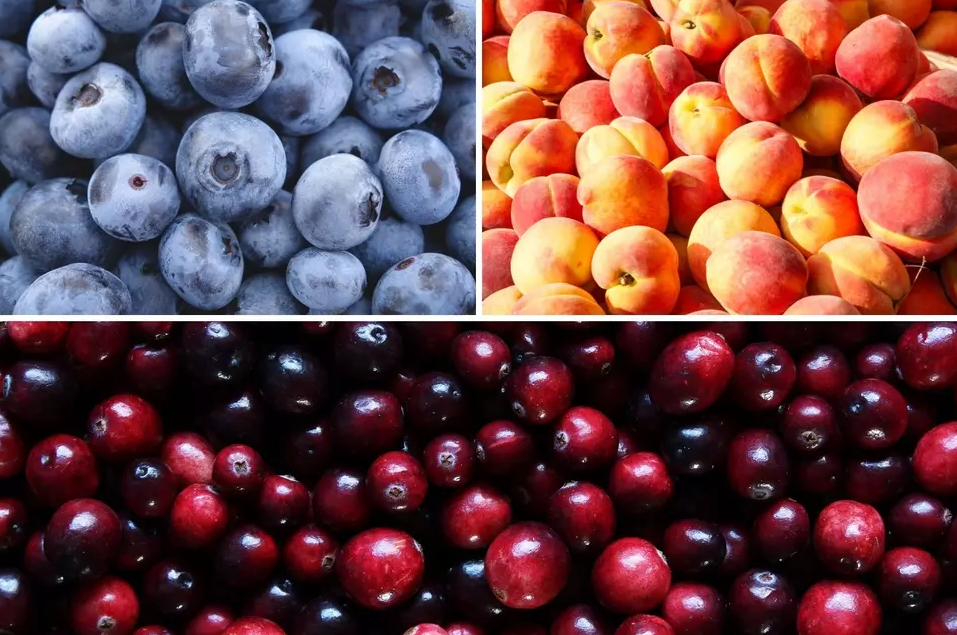
New Jersey has an extraordinary agricultural tradition built around blueberries, cranberries, peaches and many other fruits. Fruit wines have been made here for generations, but increasingly sophisticated winemaking is challenging the assumption that they must be simple, sweet novelties. Producers can approach fruit wines with serious attention to acidity, balance, structure and dryness, just as they would a traditional grape wine.
Old York Cellars’ Blueberry Wine was named Best Fruit Wine at the New Jersey State Fair, while its Peach Wine earned a Double Gold medal in a New York State wine competition a few years earlier. Those wines aren’t trying to imitate Cabernet Sauvignon or Chardonnay. They’re expressions of different fruits treated seriously by a winemaker, and their recognition demonstrates that quality wine doesn’t begin and end with Vitis vinifera.
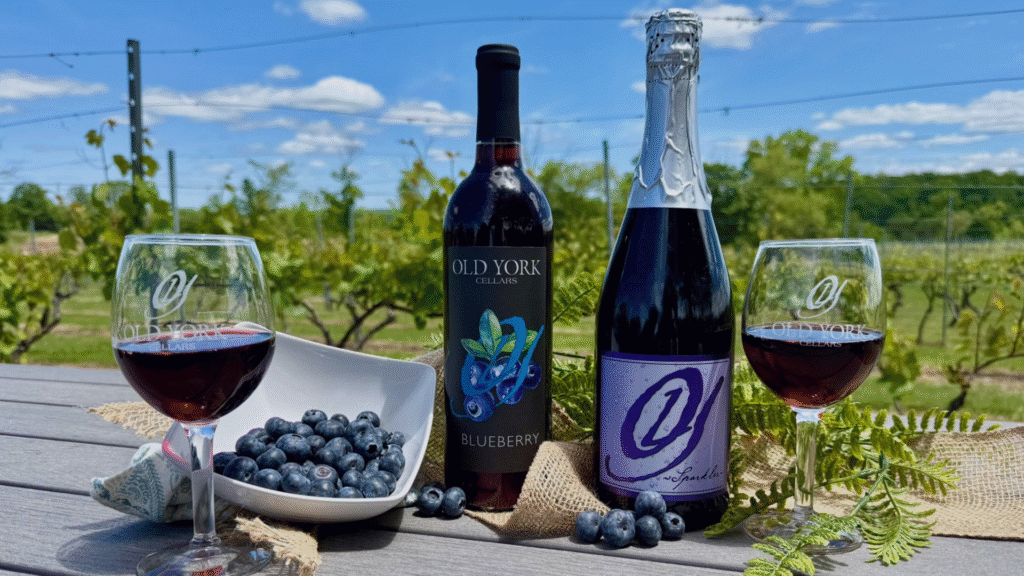
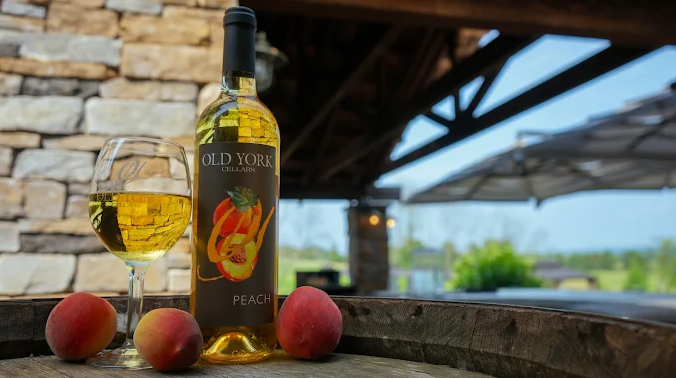
A well-made blueberry or peach wine doesn’t need to pretend to be grape wine to deserve a place at the table, any more than Vidal Blanc needs to pretend to be Chardonnay. One of the pleasures of exploring a developing wine region is discovering what talented producers can do with what grows around them instead of measuring everything against traditions established somewhere else.
Traditional vinifera remains an important part of that story. New Jersey wineries produce Cabernet Franc, Cabernet Sauvignon, Chardonnay, Pinot Noir and other varieties familiar to wine drinkers around the world. Alongside them are hybrids such as Vidal Blanc and Seyval Blanc, creative blends that might combine New Jersey-grown Cabernet Franc with other grapes, sparkling wines, rosés, dessert wines and increasingly ambitious wines made from other fruits. That diversity is one of the reasons there is so much for consumers to discover.
The diversity doesn’t stop with what’s in the bottle. New Jersey wineries themselves have become remarkably varied destinations. Some remain intensely focused on vineyards and traditional tasting experiences. Others have developed culinary programs, live entertainment, festivals, private events and experiences designed around spending an afternoon or evening in wine country. Visitors can taste wines overlooking vineyards, have brunch at a winery, take a wine train, attend a concert or comedy show, enjoy a chef-prepared dinner, learn about blending, meet the people making the wine or simply share a bottle with friends.
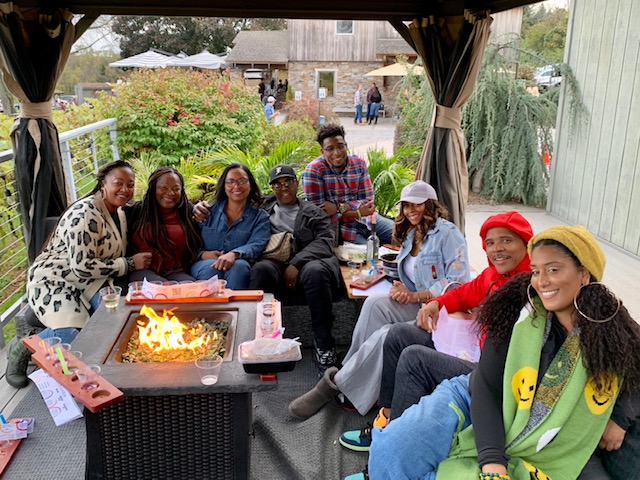
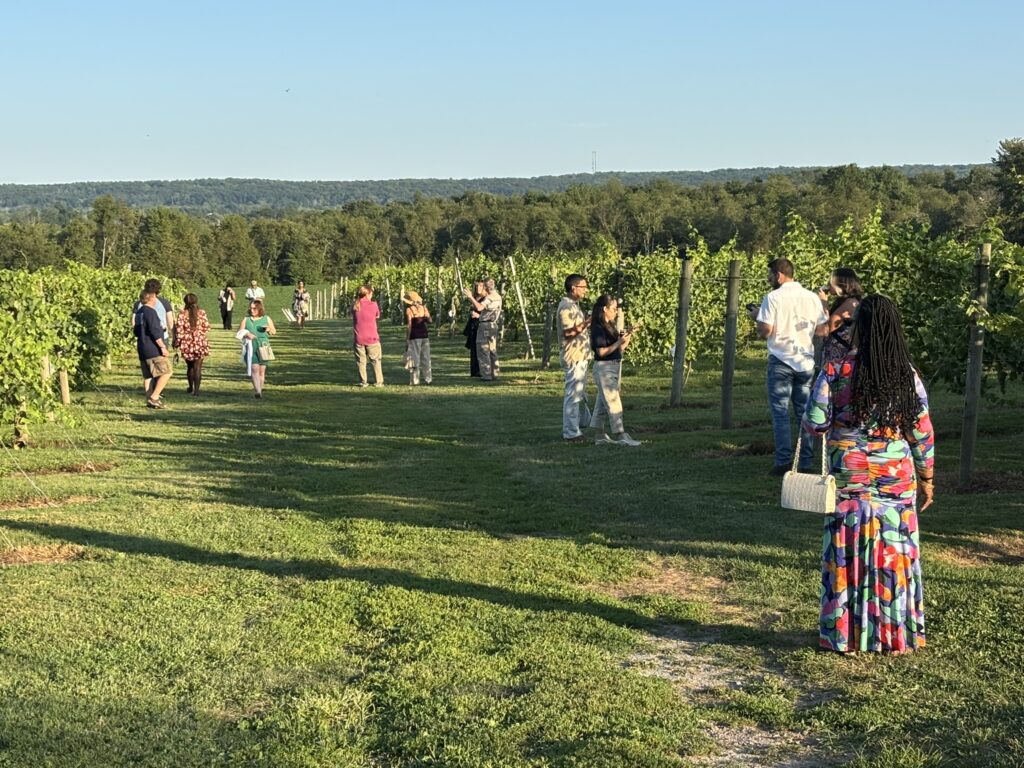
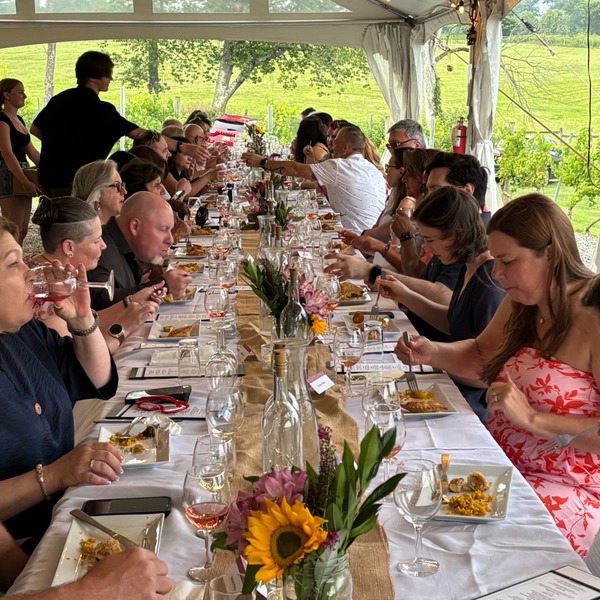
That’s how a wine region becomes wine country. Growers and vineyards are essential to it, but so are winemakers, chefs, tasting rooms, restaurants, hospitality professionals, artists, musicians, local businesses and, ultimately, the people who come to experience it. New Jersey is developing a wine culture of its own, shaped by the state’s agriculture but not limited to any one grape, style, percentage or philosophy.
That was the spirit behind our recent article, “9 New Jersey Wines We’re Drinking This Summer.” We weren’t trying to establish a definition of New Jersey wine or create a formula for which bottles belonged. We wanted to share wines being made by New Jersey wineries that caught our attention and that we thought other people might enjoy discovering. Sometimes what makes a bottle interesting is the vineyard. Sometimes it’s an unexpected blend, an unfamiliar grape, an innovative winemaking decision or simply the fact that it tastes terrific with what we’re eating that evening.
For wine lovers, New Jersey is an especially exciting place to explore. Provenance matters, but it doesn’t need to become a scorecard. The hard work of New Jersey farmers and the creativity of New Jersey winemakers complement each other beautifully. Estate wines, thoughtful blends, and expressive fruit wines all deserve to be enjoyed for the craftsmanship behind them.
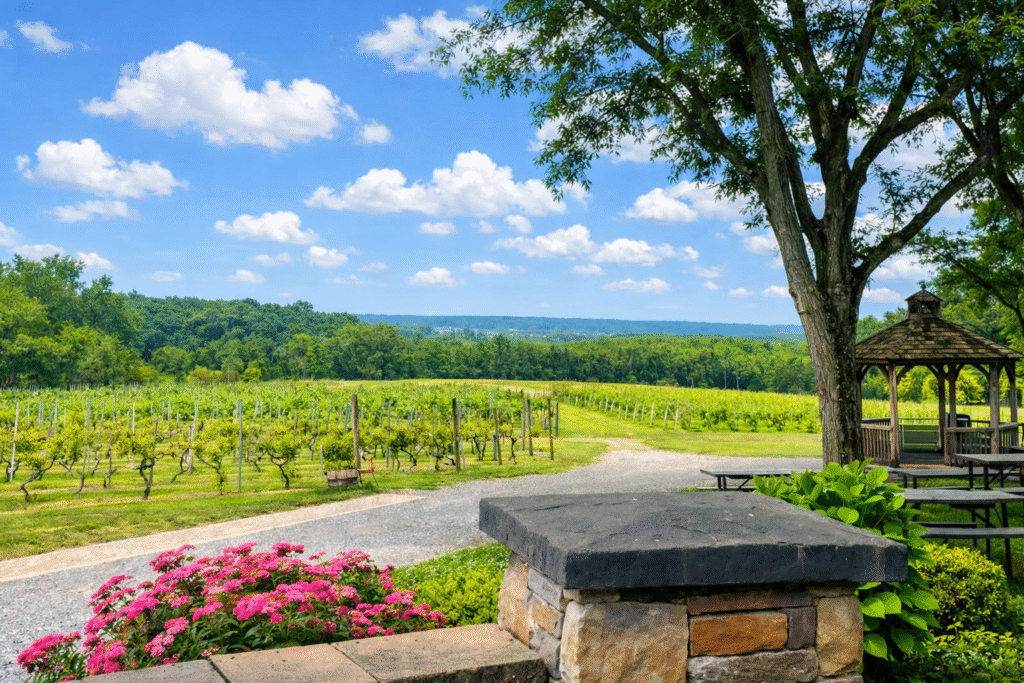
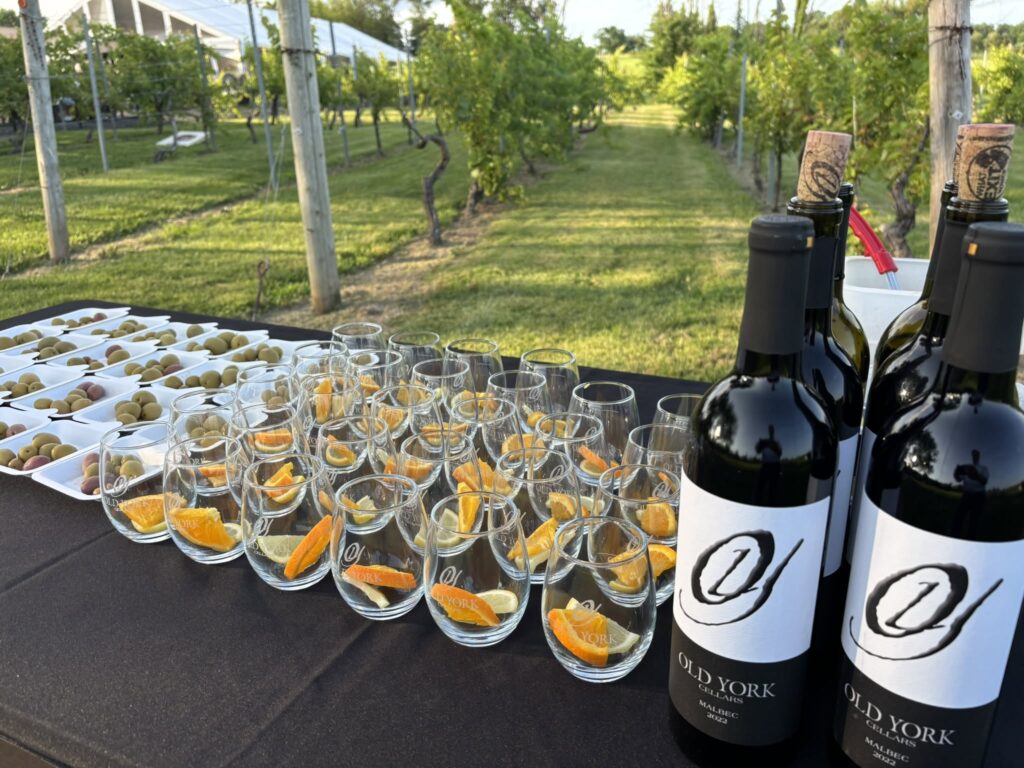
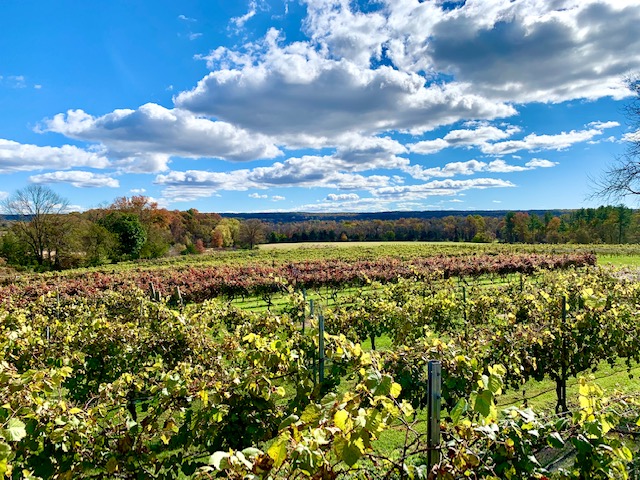
New Jersey wine doesn’t need to become one thing. From vineyards influenced by the Delaware Bay to those among the hills of Warren County, from familiar vinifera to hybrids, sparkling wines, creative blends and sophisticated fruit wines, there are more styles, places and experiences to discover than ever before.
So absolutely explore the extraordinary wines made from 100% New Jersey-grown fruit. They are part of what makes this wine region worth discovering, and there is so much more to New Jersey Wine Country waiting to be experienced. We love to try wines from other local wineries!